
Home repairs have a way of feeling less urgent when the problem is not immediately visible. A chimney sitting quietly above the roofline rarely demands attention the way a leaking pipe or a broken appliance does. But the damage quietly building inside and around that structure can escalate into some of the most expensive repair bills a homeowner will ever face if left unaddressed for too long.
Fixing Your Chimney Before It Becomes a Bigger Problem
Catching issues early is always the more affordable path forward. Homeowners who have worked with professionals handling Chimney Repair know that a small crack, a deteriorating mortar joint, or a compromised flashing addressed promptly costs a fraction of what the same problem becomes after another winter of freeze and thaw cycles.
Water Is the Primary Enemy of Chimney Structures
Of all the forces that degrade a chimney over time, water causes the most consistent and widespread damage. Rain, snow, and ice work their way into even the smallest cracks in the masonry, and as temperatures drop those pockets of moisture expand and contract repeatedly throughout the season. Over time that cycle widens cracks, loosens bricks, erodes mortar joints, and compromises the structural integrity of the entire chimney from the inside out.
Mortar Joint Deterioration Is More Serious Than It Looks
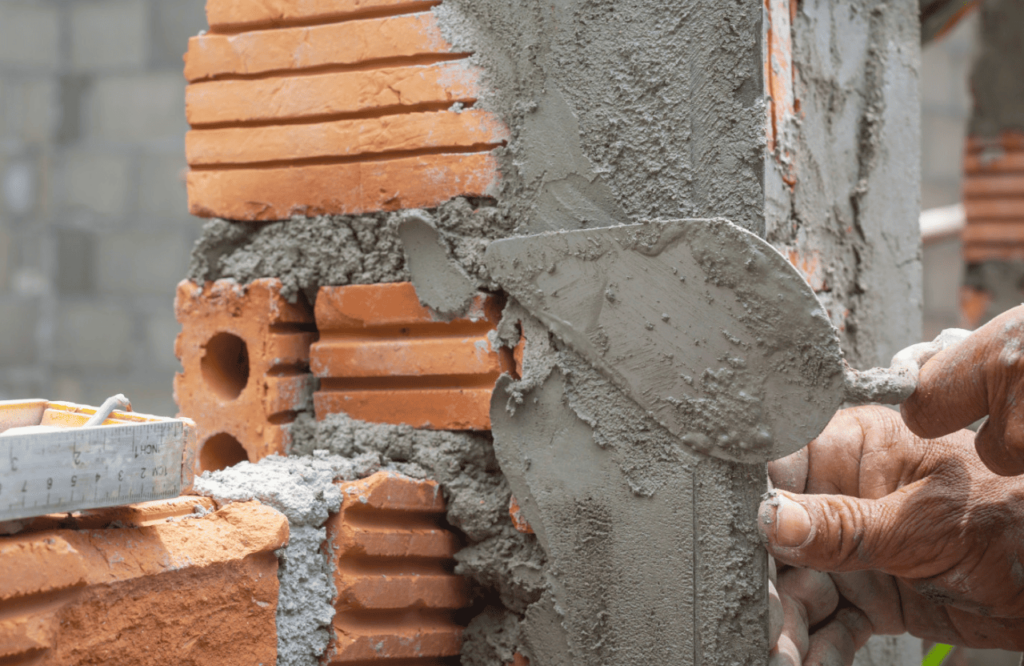
One of the most common chimney issues homeowners encounter is tuckpointing, the process of repairing deteriorated mortar joints between bricks. Mortar has a significantly shorter lifespan than the bricks it holds together, and once it begins cracking and crumbling the structural stability of the chimney depends entirely on how quickly the problem is addressed. Deteriorated mortar allows water infiltration, accelerates brick damage, and left long enough can cause sections of the chimney to shift or collapse.
The Flashing Connection Is a Frequent Source of Leaks
Furthermore, the flashing where your chimney meets the roofline is one of the most vulnerable points on the entire structure and a frequent source of water intrusion inside the home. Flashing is typically made from metal and sealed with caulk or mortar, both of which degrade with age and weather exposure. When that seal fails, water travels down the chimney exterior and into the surrounding roof structure, causing damage that extends well beyond the chimney itself into attic framing, insulation, and interior ceilings.
A Professional Inspection Reveals What You Cannot See
Beyond visible exterior damage, chimneys contain internal components including the flue liner, damper, and firebox that require professional evaluation to assess properly. A cracked flue liner, for example, allows combustion gases including carbon monoxide to escape into the living spaces of the home, creating a serious health and safety risk that is completely invisible without a proper inspection.
Conclusion: Fixing Your Chimney Before It Becomes a Bigger Problem
To wrap it all up, chimney repair is one of those home maintenance investments that pays for itself many times over through the damage it prevents. Understanding how water infiltration works, staying ahead of mortar deterioration, maintaining the flashing seal, and scheduling regular professional inspections are the habits that keep a chimney performing safely and structurally sound for decades. Do not wait for a visible collapse or an interior leak to take your chimney seriously.
Recent Comments