
How to Power Your RV Adventures Without Relying on Hookups
One of the greatest appeals of RV travel is the freedom to go wherever the road leads. But that freedom has a limit for most travelers, and it usually comes down to power. The constant need to find campgrounds with electrical hookups quietly restricts where you can go and how long you can stay, turning what should be an open-ended adventure into a logistical puzzle.
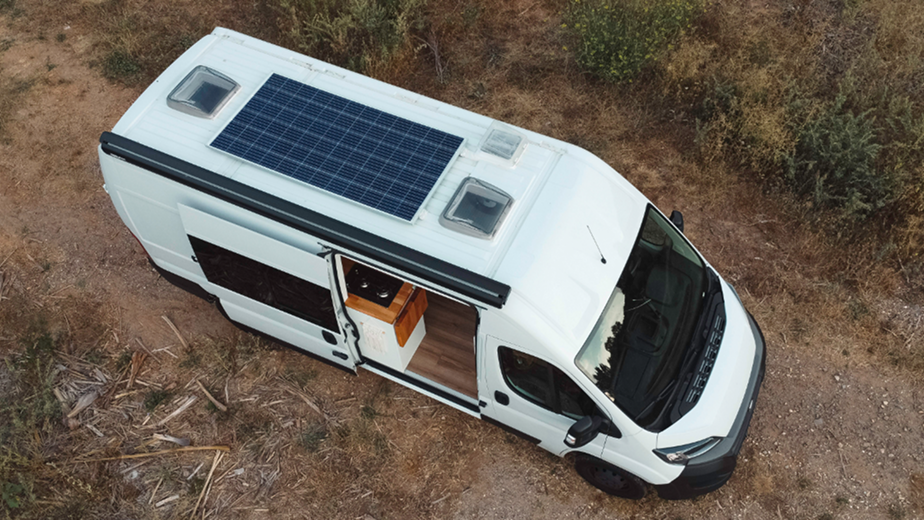
Taking Your RV Off the Grid the Right Way
The solution for a growing number of RV travelers is solar power, and the entry point is more accessible than most people expect. Travelers who have invested in RV Solar Kits consistently report that the upgrade fundamentally changes how they experience life on the road, opening up destinations and extending trips in ways that were simply not possible before. Here is what to understand before making the switch.
Know What You Need to Power Before Buying
The most important step before purchasing any solar kit is taking honest stock of your actual power consumption on the road. Running lights and charging phones requires a very different system than powering a refrigerator, air conditioning unit, or entertainment setup. Walk through your RV and list every device you rely on regularly, then research the wattage each one draws.
Understanding the Components Makes You a Smarter Buyer
A complete RV solar kit typically includes solar panels, a charge controller, a battery bank, and an inverter. Each component plays a specific role in collecting, regulating, storing, and converting energy for use inside your rig. The charge controller protects your batteries from overcharging, while the inverter converts stored DC power into the AC power that most standard appliances require.
Roof Space and Mounting Logistics Are Real Considerations
Beyond the electrical side of the equation, the physical installation of solar panels on an RV requires thoughtful planning. Roof space is finite, and the layout of vents, air conditioning units, and antennas limits where panels can be positioned. Flat mounting maximizes available space but reduces efficiency compared to angled mounting that tracks the sun more directly. Portable ground-mounted panels offer flexibility for travelers who want to avoid roof penetrations entirely. Thinking through your mounting strategy before purchasing ensures the kit you choose is actually compatible with your specific rig.
Batteries Determine How Long Your Power Lasts
Furthermore, the battery bank is arguably the most critical element of any RV solar setup because it determines how much energy you can store and draw from when sunlight is unavailable. Traditional lead-acid batteries are more affordable upfront but heavier and less efficient over time. Lithium iron phosphate batteries cost more initially but offer significantly longer lifespan, faster charging, and a much deeper usable charge capacity.
Conclusion: Taking Your RV Off the Grid the Right Way
To wrap it all up, switching to solar power transforms the RV experience in a way that is difficult to fully appreciate until you have lived it. Knowing your power needs, understanding your components, planning your installation carefully, and choosing the right battery technology are the steps that separate a system that performs reliably from one that disappoints. Do the groundwork before you buy, and your next adventure will take you exactly as far as you want to go without a hookup in sight.
Recent Comments