Shipping a Car During a Big Life Change Does Not Have to Be Complicated

Major life transitions have a way of arriving all at once. A new job in a different city, a family relocation, a college student heading home for the summer, or a retirement move to a new state all share one common logistical challenge that rarely gets the attention it deserves until the moving date is already close. Figuring out what to do with the vehicle is one of those details that can quietly become one of the most stressful parts of an already demanding process.

Taking One Thing Off Your Plate During a Major Move

The relief that comes from handing off vehicle logistics to professionals who handle it every day is something most people underestimate until they experience it firsthand. Families and individuals who have used Escondido Car Shipping during a significant life transition consistently describe it as one of the better decisions they made during an otherwise overwhelming period. Here is how to approach the process so it stays simple from beginning to end.

Starting Early Gives You the Most Options

The single most effective thing you can do to reduce stress around vehicle shipping during a major move is to start the process earlier than feels necessary. Carrier availability on popular routes fluctuates with seasonal demand, and waiting until the final weeks before your move date significantly narrows your options in terms of both carrier quality and scheduling flexibility. 

Coordinating Vehicle Pickup with Your Moving Timeline

One practical challenge that many shippers face during a relocation is synchronizing vehicle pickup with everything else happening simultaneously. If your car is being shipped while movers are also loading a truck, it helps to schedule the vehicle pickup either a day before or a day after the household move to avoid a chaotic overlap of service providers and logistics at the same location.

What to Do with the Car Before Handing It Over

Furthermore, taking a little time to prepare the vehicle properly before the carrier arrives makes the entire handoff smoother and protects you throughout the shipping process. Remove all personal belongings from the interior and the trunk since auto transport insurance does not cover personal items and their presence creates unnecessary complications. Photograph the full exterior of the vehicle in good lighting from every angle before pickup and save those images with a timestamp that establishes a clear before condition. 

Staying Calm When Delivery Windows Are Approximate

One aspect of vehicle transport that catches some first-time shippers off guard is the reality that delivery windows are estimates rather than guaranteed precise arrival times. Road conditions, weather events, carrier scheduling across multiple simultaneous shipments, and other variables outside anyone’s control mean that the delivery date provided at booking is a realistic projection rather than a firm commitment. Reputable carriers communicate proactively about any delays and provide updated timelines as the shipment progresses. 

Conclusion: Taking One Thing Off Your Plate During a Major Move

To wrap it all up, shipping a vehicle during a major life transition is one of those logistics that works best when it is handled early, coordinated thoughtfully with the rest of the moving timeline, and approached with realistic expectations about how the process unfolds. Starting the search well in advance, preparing the vehicle properly, and choosing a carrier that communicates clearly throughout the process transforms vehicle shipping from a potential stressor into one of the smoother parts of an otherwise demanding transition. 

The Oil in Your Engine Matters More Than Most Drivers Realize

Most drivers think about their engine oil twice a year at most, usually when the reminder sticker on the windshield catches their attention at a stoplight. It is one of those maintenance details that feels routine and unremarkable until something goes wrong. What happens inside an engine between oil changes, however, tells a very different and much more important story.

Choosing the Right Oil for Long Term Engine Health

The grade and type of oil running through your engine has a direct impact on how well it performs, how long it lasts, and how efficiently it uses fuel over its lifetime. Drivers who have made the switch to Synthetic Motor Oil 5W-30 consistently notice real differences in how their vehicles feel and perform, particularly in temperature extremes and high-demand driving conditions. Here is what makes this choice worth understanding properly.

What the 5W-30 Rating Actually Tells You

The numbers on an oil container are not arbitrary and understanding them helps you make a more informed decision at the shelf. The five in 5W-30 refers to the oil’s viscosity in cold temperatures, with the W standing for winter. A lower number means the oil flows more freely in cold conditions, allowing it to reach critical engine components faster during a cold start when wear is most likely to occur. The thirty describes the oil’s viscosity at normal operating temperature. 

Synthetic Outperforms Conventional in Almost Every Measurable Way

The difference between synthetic and conventional motor oil goes well beyond marketing language. Synthetic oil is engineered at a molecular level to maintain consistent viscosity across temperature extremes, resist breakdown under sustained heat, and flow more efficiently through tight engine tolerances. Conventional oil, derived directly from crude, contains natural impurities and molecular inconsistencies that cause it to degrade faster and leave more deposits on engine surfaces over time. 

Cold Starts Are Where Engine Wear Mostly Happens

Furthermore, the majority of engine wear does not occur during highway cruising or hard acceleration. It happens in the first few seconds after a cold start, before oil has fully circulated through the engine and formed a protective film over metal surfaces. Synthetic 5W-30 flows significantly faster during those critical first moments compared to conventional oil of the same rating, reaching bearings, camshafts, and cylinder walls before damaging metal-on-metal contact can occur. 

Extended Drain Intervals Add Practical Value

One practical advantage of synthetic motor oil that appeals to many drivers is the extended service interval it supports compared to conventional oil. While conventional oil typically requires changes every 3,000 to 5,000 miles, quality synthetic oils are generally rated to perform reliably for 7,500 to 10,000 miles or more depending on the vehicle and driving conditions. Fewer oil changes over the life of the vehicle means less time spent on maintenance, lower long-term service costs, and reduced environmental waste from used oil disposal. 

Conclusion: Choosing the Right Oil for Long Term Engine Health

To wrap it all up, the motor oil you choose is one of the most consequential and most underappreciated decisions you make as a vehicle owner. Understanding what the 5W-30 rating means, recognizing the genuine performance advantages of synthetic formulation, appreciating the importance of cold start protection, and factoring in the long-term savings of extended drain intervals all point toward the same conclusion. 

Why More People Are Choosing Portable Cabins Over Traditional Construction

Building a permanent structure on your property used to be the only real option when you needed additional usable space. Those meant permits, contractors, timelines that stretched for months, and budgets that had a way of growing well beyond the original estimate. A growing number of property owners are discovering that there is a smarter, faster, and far more flexible path to the same result.

Getting More from Your Property Without the Construction Headache

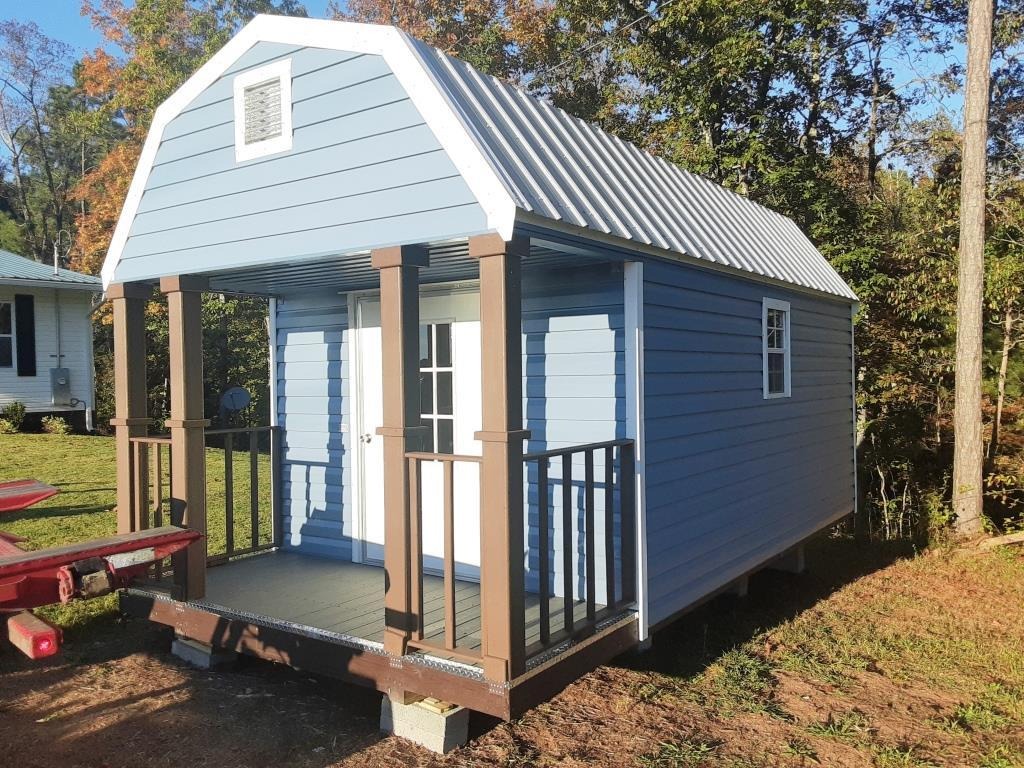
The shift toward flexible building solutions has changed what is possible for homeowners, hobby farmers, and rural property owners alike. Those who have explored Portable Cabins for Sale quickly realize that the quality, customization, and long-term value these structures offer challenges every assumption they had about what affordable property improvement looks like. 

The Speed of Delivery Changes Everything

One of the most immediately appealing aspects of a portable cabin is how quickly it can be delivered and ready for use compared to traditional construction. While a site-built structure can take months from groundbreaking to completion, a portable cabin is typically manufactured off-site and delivered in a matter of weeks. There are no weather delays holding up framing, no subcontractor scheduling conflicts pushing back the timeline, and no extended period where your property is torn up and unusable. 

Flexibility Sets Portable Structures Apart

Unlike a permanent building that is fixed to a single location for the life of the property, a portable cabin can be relocated if your needs or circumstances change. That flexibility has real value for property owners who may sell the land, move the structure to a different area of the property, or simply want the option to take their investment with them rather than leave it behind. 

The Range of Uses Is Broader Than Most People Expect

Furthermore, portable cabins serve an impressive variety of purposes that go well beyond basic storage. Many property owners use them as guest quarters that give visitors genuine privacy and comfort separate from the main home. Others convert them into home offices, art studios, or workshop spaces that create dedicated separation between work and living areas. Hobby farmers find them ideal for equipment storage, feed rooms, or small animal shelters. 

Quality Has Come a Long Way in Recent Years

A common hesitation among first-time buyers is whether a portable structure can match the quality and durability of site-built construction. The honest answer is that modern portable cabins have closed that gap considerably. Reputable manufacturers use quality lumber, durable roofing materials, proper insulation, and solid flooring systems that hold up well against the elements and daily use over many years. Visiting a display lot and inspecting the construction details firsthand gives buyers a much clearer picture of what to expect and quickly dispels the assumption that portable means flimsy.

Conclusion: Getting More from Your Property Without the Construction Headache

To wrap it all up, portable cabins offer a compelling combination of speed, flexibility, versatility, and modern construction quality that makes them a genuinely smart alternative to traditional building for a wide range of property owners. Whether you need extra living space, a dedicated workspace, or a functional outbuilding that can grow and move with your needs, a portable cabin delivers real value without the delays, disruptions, and cost overruns that traditional construction so often brings. 

Why Ignoring Chimney Damage Costs Far More Than Fixing It Early

Home repairs have a way of feeling less urgent when the problem is not immediately visible. A chimney sitting quietly above the roofline rarely demands attention the way a leaking pipe or a broken appliance does. But the damage quietly building inside and around that structure can escalate into some of the most expensive repair bills a homeowner will ever face if left unaddressed for too long.

Fixing Your Chimney Before It Becomes a Bigger Problem

Catching issues early is always the more affordable path forward. Homeowners who have worked with professionals handling Chimney Repair know that a small crack, a deteriorating mortar joint, or a compromised flashing addressed promptly costs a fraction of what the same problem becomes after another winter of freeze and thaw cycles. 

Water Is the Primary Enemy of Chimney Structures

Of all the forces that degrade a chimney over time, water causes the most consistent and widespread damage. Rain, snow, and ice work their way into even the smallest cracks in the masonry, and as temperatures drop those pockets of moisture expand and contract repeatedly throughout the season. Over time that cycle widens cracks, loosens bricks, erodes mortar joints, and compromises the structural integrity of the entire chimney from the inside out. 

Mortar Joint Deterioration Is More Serious Than It Looks

One of the most common chimney issues homeowners encounter is tuckpointing, the process of repairing deteriorated mortar joints between bricks. Mortar has a significantly shorter lifespan than the bricks it holds together, and once it begins cracking and crumbling the structural stability of the chimney depends entirely on how quickly the problem is addressed. Deteriorated mortar allows water infiltration, accelerates brick damage, and left long enough can cause sections of the chimney to shift or collapse. 

The Flashing Connection Is a Frequent Source of Leaks

Furthermore, the flashing where your chimney meets the roofline is one of the most vulnerable points on the entire structure and a frequent source of water intrusion inside the home. Flashing is typically made from metal and sealed with caulk or mortar, both of which degrade with age and weather exposure. When that seal fails, water travels down the chimney exterior and into the surrounding roof structure, causing damage that extends well beyond the chimney itself into attic framing, insulation, and interior ceilings.

A Professional Inspection Reveals What You Cannot See

Beyond visible exterior damage, chimneys contain internal components including the flue liner, damper, and firebox that require professional evaluation to assess properly. A cracked flue liner, for example, allows combustion gases including carbon monoxide to escape into the living spaces of the home, creating a serious health and safety risk that is completely invisible without a proper inspection. 

Conclusion: Fixing Your Chimney Before It Becomes a Bigger Problem

To wrap it all up, chimney repair is one of those home maintenance investments that pays for itself many times over through the damage it prevents. Understanding how water infiltration works, staying ahead of mortar deterioration, maintaining the flashing seal, and scheduling regular professional inspections are the habits that keep a chimney performing safely and structurally sound for decades. Do not wait for a visible collapse or an interior leak to take your chimney seriously.

The Smartest Way to Move Your Vehicle Without Driving It Yourself

Driving a vehicle hundreds or even thousands of miles to its next destination sounds simple enough until you factor in the fuel costs, the wear on the engine, the overnight stops, and the sheer physical exhaustion that comes with long-distance driving. 

Choosing the Right Auto Transport Service

Making the right choice comes down to more than just finding the lowest quote. Customers who have worked with Temecula Auto Transport professionals understand that reliability, transparency, and clear communication matter just as much as price when you are trusting someone with a vehicle that represents a significant personal and financial investment. Here is what separates a smooth shipping experience from a frustrating one.

Not All Carriers Operate the Same Way

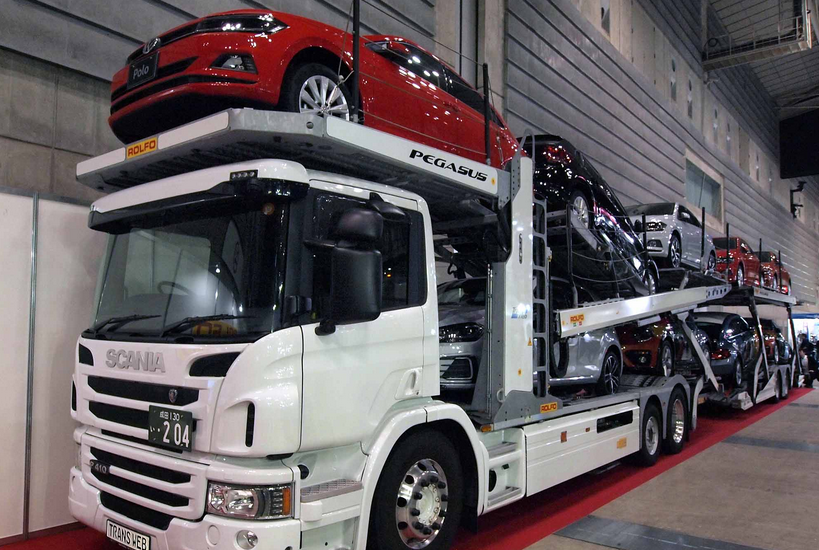
The auto transport industry includes a wide range of carriers that vary considerably in terms of professionalism, equipment quality, and operational standards. Some companies own and operate their own fleet of trucks, while others act as brokers that connect customers with third-party carriers. Both models can work well, but understanding which one you are dealing with helps set realistic expectations around communication, scheduling flexibility, and accountability when questions or concerns arise during the shipping process.

Insurance Coverage Deserves More Attention Than It Gets

One area where many first-time shippers make costly assumptions is insurance. Most reputable carriers maintain cargo insurance that covers vehicle damage occurring during transport, but the details of that coverage vary significantly from one company to the next. Before booking any service, ask specifically what the carrier’s insurance covers, what the deductible looks like, and whether your personal auto insurance policy provides any supplemental protection during transit. 

Door to Door Versus Terminal Shipping Is Worth Understanding

Auto transport services generally offer two delivery formats that suit different needs and budgets. Door-to-door service sends the carrier directly to your specified pickup and delivery addresses, offering maximum convenience and minimal effort on your part. Terminal-to-terminal shipping requires you to drop off and collect the vehicle at designated facility locations, which typically costs less but demands more coordination on your end. Neither option is universally better, and the right choice depends entirely on your schedule, location accessibility, and how much convenience is worth to you personally.

The Condition Report Protects You on Both Ends

Furthermore, one of the most important but frequently overlooked steps in the auto transport process is completing a thorough vehicle condition report at both pickup and delivery. This document records the existing state of your vehicle before the carrier takes possession and serves as the baseline for any damage claims after delivery. Walk around the vehicle with the driver, photograph every angle in good lighting, and ensure both parties sign the report before the car is loaded. 

Conclusion: Choosing the Right Auto Transport Service

To wrap it all up, moving a vehicle with a professional transport service is a straightforward process when you go in prepared. Understanding how carriers operate, verifying insurance coverage, choosing the right delivery format, and documenting your vehicle’s condition at both ends of the journey are the steps that protect your investment and ensure the experience goes smoothly. Take the time to ask the right questions before booking, and you will hand over your keys with the confidence that your vehicle will arrive in the same condition it left.

How to Power Your RV Adventures Without Relying on Hookups

One of the greatest appeals of RV travel is the freedom to go wherever the road leads. But that freedom has a limit for most travelers, and it usually comes down to power. The constant need to find campgrounds with electrical hookups quietly restricts where you can go and how long you can stay, turning what should be an open-ended adventure into a logistical puzzle.

Taking Your RV Off the Grid the Right Way

The solution for a growing number of RV travelers is solar power, and the entry point is more accessible than most people expect. Travelers who have invested in RV Solar Kits consistently report that the upgrade fundamentally changes how they experience life on the road, opening up destinations and extending trips in ways that were simply not possible before. Here is what to understand before making the switch.

Know What You Need to Power Before Buying

The most important step before purchasing any solar kit is taking honest stock of your actual power consumption on the road. Running lights and charging phones requires a very different system than powering a refrigerator, air conditioning unit, or entertainment setup. Walk through your RV and list every device you rely on regularly, then research the wattage each one draws. 

Understanding the Components Makes You a Smarter Buyer

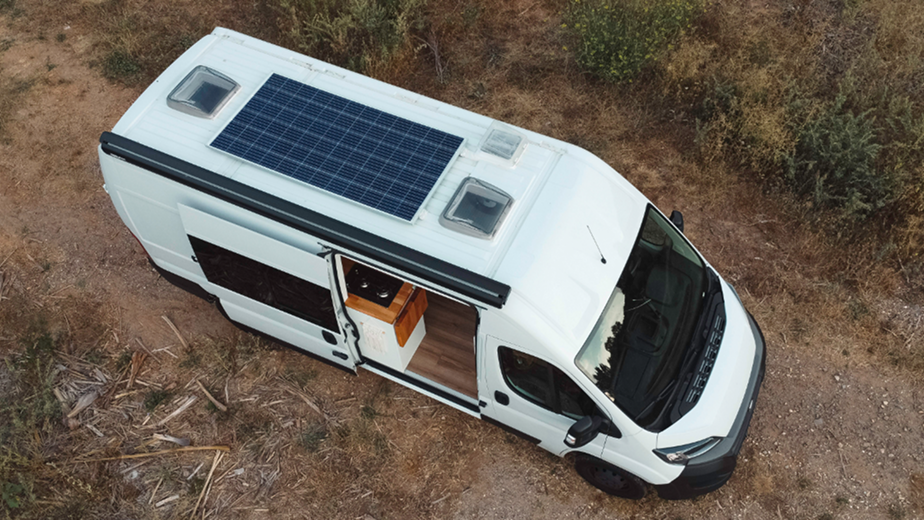
A complete RV solar kit typically includes solar panels, a charge controller, a battery bank, and an inverter. Each component plays a specific role in collecting, regulating, storing, and converting energy for use inside your rig. The charge controller protects your batteries from overcharging, while the inverter converts stored DC power into the AC power that most standard appliances require.

Roof Space and Mounting Logistics Are Real Considerations

Beyond the electrical side of the equation, the physical installation of solar panels on an RV requires thoughtful planning. Roof space is finite, and the layout of vents, air conditioning units, and antennas limits where panels can be positioned. Flat mounting maximizes available space but reduces efficiency compared to angled mounting that tracks the sun more directly. Portable ground-mounted panels offer flexibility for travelers who want to avoid roof penetrations entirely. Thinking through your mounting strategy before purchasing ensures the kit you choose is actually compatible with your specific rig.

Batteries Determine How Long Your Power Lasts

Furthermore, the battery bank is arguably the most critical element of any RV solar setup because it determines how much energy you can store and draw from when sunlight is unavailable. Traditional lead-acid batteries are more affordable upfront but heavier and less efficient over time. Lithium iron phosphate batteries cost more initially but offer significantly longer lifespan, faster charging, and a much deeper usable charge capacity. 

Conclusion: Taking Your RV Off the Grid the Right Way

To wrap it all up, switching to solar power transforms the RV experience in a way that is difficult to fully appreciate until you have lived it. Knowing your power needs, understanding your components, planning your installation carefully, and choosing the right battery technology are the steps that separate a system that performs reliably from one that disappoints. Do the groundwork before you buy, and your next adventure will take you exactly as far as you want to go without a hookup in sight.